Arduino Uno R3 DIP Edition (Revision 3) – Genuine Microcontroller
Overview
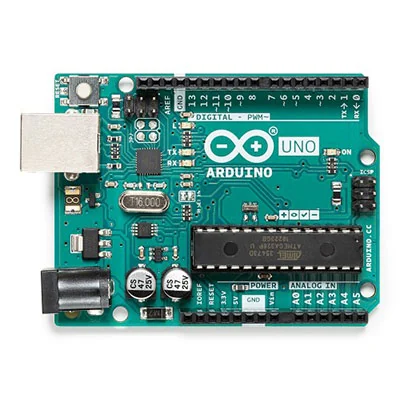
Arduino Uno R3 DIP Edition (Revision 3) is a microcontroller board based on the ATmega328. This Arduino Kit is your starting point in the world of physical computing. Using the electronic parts included, you can join the tens of thousands of electronics designers, engineers, businesses, hobbyists, and educational institutions that have discovered this incredible and educational prototyping platform. Arduino Uno is the most used Arduino board so far and has garnered a large community of supporters. The Arduino Uno Rev3 DIP is Arduino’s latest offering in the popular UNO series and maintains backward compatibility with shields designed for earlier versions. The Arduino Uno R3 DIP is a cost-effective way to get started with the interactive world of Arduino.
The Arduino Uno R&D Board is the latest revision of the ever-popular and best-selling Arduino board. This new revision has been updated for an even better experience, with a new USB-C connector for improved connectivity and compatibility. The power supply has also been improved for greater stability and reliability. But the best part of this new revision is the addition of a DIP socket, so you can now use your Uno R&D Board with a breadboard.
Features
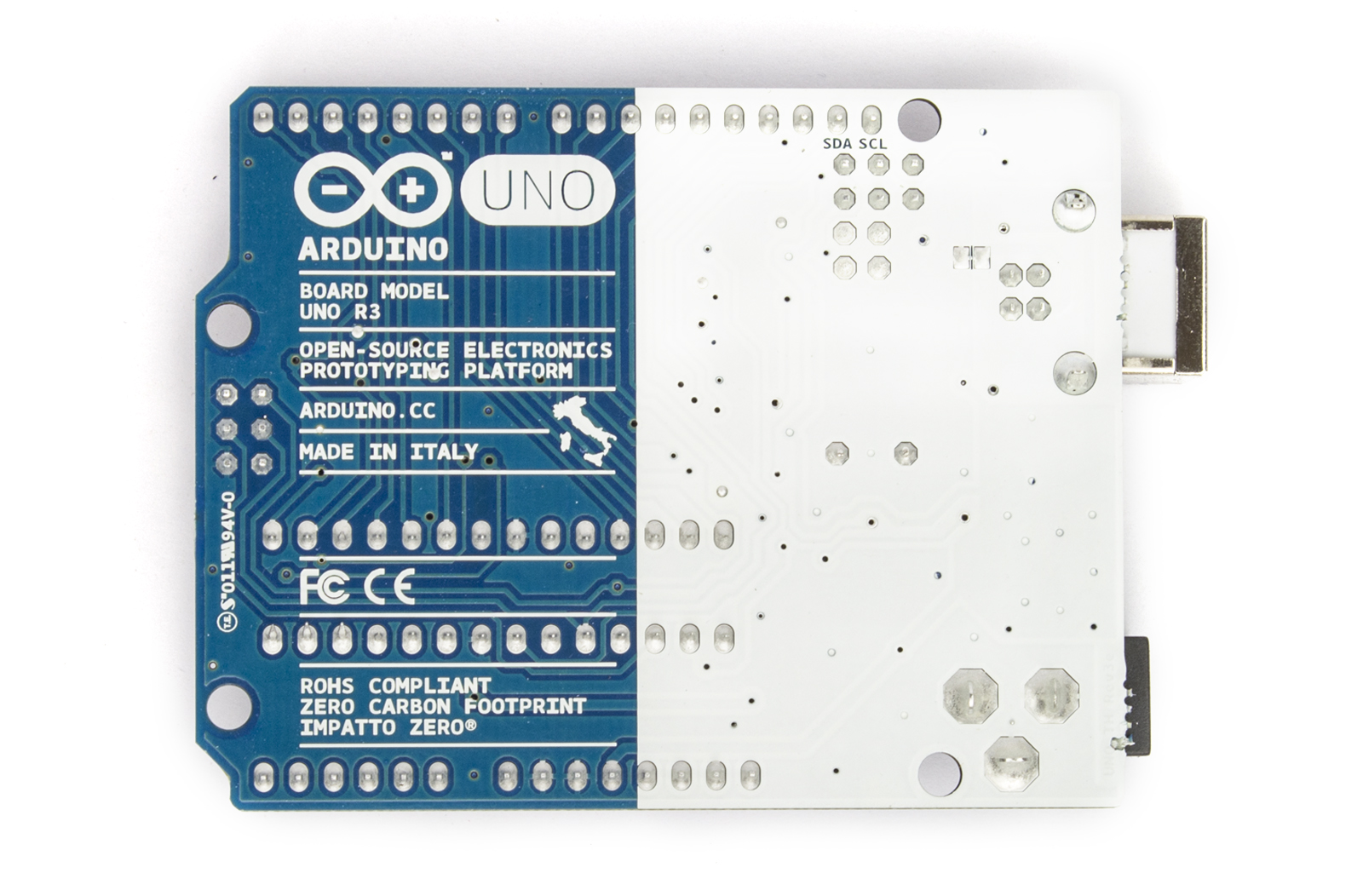
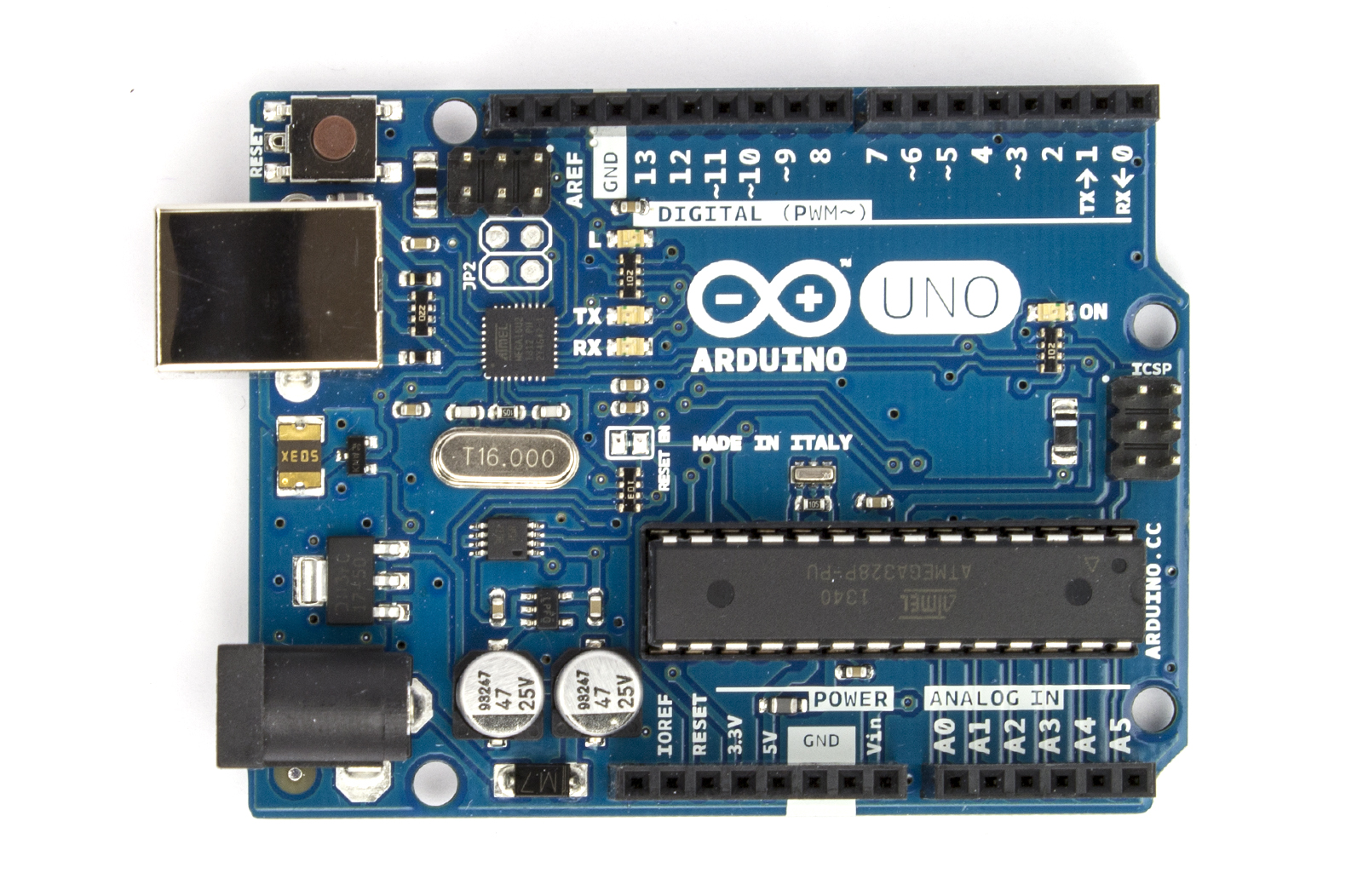
- 1.0 pinout: added SDA and SCL pins that are near to the AREF pin and two other new pins placed near to the RESET pin, the IOREF that allow the shields to adapt to the voltage provided from the board. In the future, the shields will be compatible both with the board that uses the AVR, which operates with 5V and with the Arduino Due that operates with 3.3V. The second one is a not connected pin – that is reserved for future purposes.
- Stronger RESET circuit.
- Atmega 16U2 replaces the 8U2.
- DC Power jack size: 2.1mm x 5.5mm
| Specification | Value |
|---|---|
| Design Level | Beginner |
| Family | 8-bit AVR |
| Processor | ATmega328P |
| Number of I/Os | 23 |
| PWM Channels | 6 |
| USB | Type-B |
| Input Voltage Range | 7 VDC to 12 VDC |
| UART | Yes |
| SPI | Yes |
| I2C | Yes |
| FLASH | 32 KB |
| Memory | 2 KB SRAM |
| Length | 2.70 in., 68.58 mm |
| Width | 2.10 in., 53.34 mm |
| Package | Board |
| PROM Type | EEPROM 1 KB |
Overview

The Arduino Uno is a microcontroller board based on the ATmega328 (datasheet). It has 14 digital input/output pins (of which 6 can be used as PWM outputs), 6 analog inputs, a 16 MHz crystal oscillator, a USB connection, a power jack, an ICSP header, and a reset button. It contains everything needed to support the microcontroller; simply connect it to a computer with a USB cable or power it with a AC-to-DC adapter or battery to get started.
The Uno differs from all preceding boards in that it does not use the FTDI USB-to-serial driver chip. Instead, it features the Atmega16U2 (Atmega8U2 up to version R2) programmed as a USB-to-serial converter. Revision 2 of the Uno board has a resistor pulling the 8U2 HWB line to ground, making it easier to put into DFU mode.
Revision 3 of the board has the following new features:
- 1.0 pinout: added SDA and SCL pins that are near to the AREF pin and two other new pins placed near to the RESET pin, the IOREF that allow the shields to adapt to the voltage provided from the board. In future, shields will be compatible both with the board that use the AVR, which operate with 5V and with the Arduino Due that operate with 3.3V. The second one is a not connected pin, that is reserved for future purposes.
- Stronger RESET circuit.
- Atmega 16U2 replace the 8U2.
“Uno” means one in Italian and is named to mark the upcoming release of Arduino 1.0. The Uno and version 1.0 will be the reference versions of Arduino, moving forward. The Uno is the latest in a series of USB Arduino boards, and the reference model for the Arduino platform; for a comparison with previous versions, see the index of Arduino boards.
Reviews
There are no reviews yet.